Sharp, shooting pain radiating down the back of your leg can make walking, sitting, or resting difficult. This type of pain often stems from either sciatica or piriformis syndrome, two distinct conditions that share similar symptoms due to nerve involvement. Understanding where your pain originates is the first step toward getting targeted relief and restoring your physical mobility.
What Is Sciatica?
Sciatica refers to symptoms caused by compression or inflammation of the sciatic nerve roots where they exit the lower spine. It typically occurs when a herniated disc, bone spur, or narrowed spinal canal (spinal stenosis) presses directly against lumbar or sacral nerve roots. The resulting pain often starts in the lower back and travels down through the buttock, thigh, calf, and sometimes into the foot.
The sciatic nerve is the longest and thickest nerve in the human body. When root compression happens at the spine, the pain usually follows a clear electrical pathway down one side of the lower body. Patients often describe it as a burning sensation, sharp electric shock, or persistent numbness accompanied by muscle weakness in the leg or foot.
What Is Piriformis Syndrome?
Piriformis syndrome occurs when the piriformis muscle—a small muscle located deep in the buttock behind the gluteus maximus—becomes tight, spasms, or swells, compressing the sciatic nerve beneath it. While the symptoms mimic classic sciatica, the root cause originates in the gluteal muscle tissue rather than the lumbar spine.
The piriformis muscle helps rotate the hip outward and stabilizes the hip joint during walking and balancing. Overuse, repetitive strain from running, prolonged sitting on hard surfaces, or direct trauma can cause this muscle to tighten and irritate the neighboring sciatic nerve. Pain is usually localized heavily in the center of the buttock and may travel down the back of the thigh, rarely extending past the knee.
How Can You Tell the Difference Between Sciatica and Piriformis Syndrome?
You can differentiate between sciatica and piriformis syndrome by paying attention to pain location, spinal involvement, and specific physical triggers. Sciatica generally involves lower back pain that radiates past the knee into the calf or foot, whereas piriformis syndrome concentrates primarily in the buttock and upper thigh without lower back involvement.
Here is how key characteristics compare:
| Feature | Sciatica (Lumbar Nerve Root) | Piriformis Syndrome (Gluteal Muscle) |
| Primary Source | Lower spine (Herniated disc, stenosis) | Deep buttock muscle (Piriformis muscle) |
| Lower Back Pain | Common and usually severe | Rare or very minimal |
| Pain Radiation | Extends below the knee to calf/foot | Stays mainly in buttock and upper rear thigh |
| Numbness & Weakness | Frequent in foot or toes | Rare; mostly aching, tightness, or burning |
| Aggravating Actions | Bending forward, coughing, sneezing | Prolonged sitting, rotating hip inward |
What Causes These Two Conditions?
Sciatica is primarily caused by structural issues in the lumbar spine, such as herniated discs, degenerative disc disease, or spinal stenosis. Age-related wear and tear, heavy lifting, or sudden twisting movements place pressure on spinal discs, causing them to bulge and compress nearby nerve roots.
Piriformis syndrome is caused by muscular strain, biomechanical imbalances, or direct impact. Common culprits include prolonged sitting (especially with a thick wallet in a back pocket), running on uneven surfaces, sudden increases in physical activity, or weak gluteal muscles that force the piriformis to overwork.
How Do Doctors Diagnose the Source of Leg Pain?
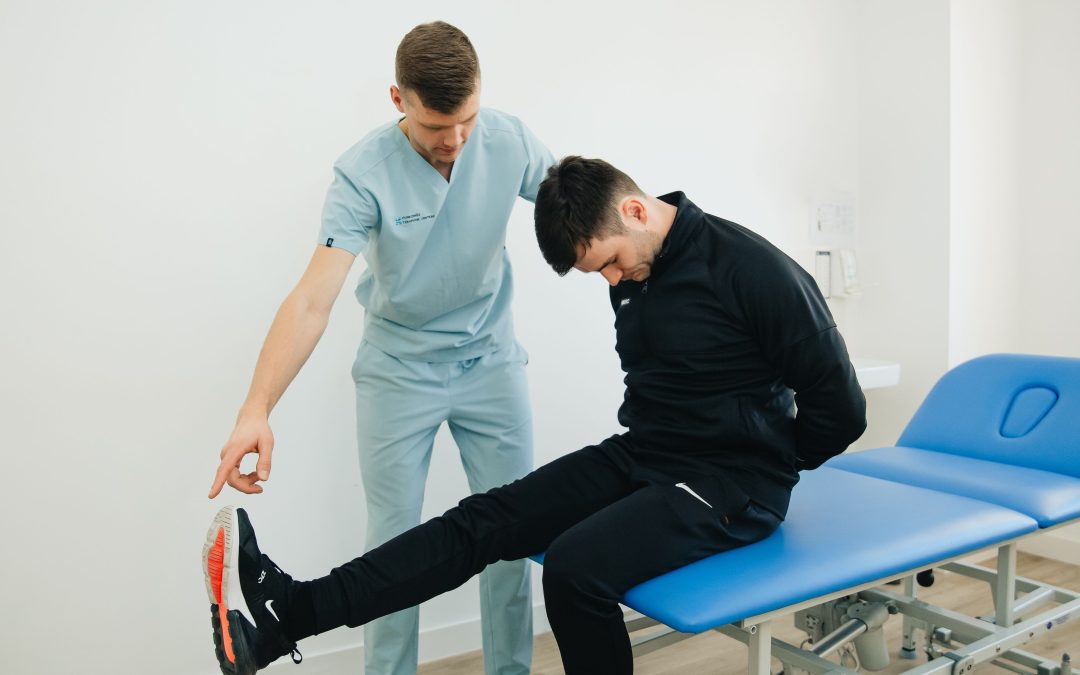
Healthcare professionals diagnose the source of leg pain using physical movement tests, clinical history, and targeted imaging. A common physical examination for sciatica is the Straight Leg Raise test, where lifting the leg while lying flat recreates sharp nerve pain down the leg.
For piriformis syndrome, doctors use tests like the FAIR test (Flexion, Adduction, and Internal Rotation), which stretches the piriformis muscle to see if it reproduces the pain in the buttock. MRI scans or X-rays are often ordered to check for herniated discs or spinal issues; if the spine looks clear but sciatic pain persists, piriformis syndrome becomes a primary consideration.
What Are the Best Non-Surgical Treatment Options?
Non-surgical treatments focus on relieving nerve pressure, reducing inflammation, and restoring normal muscle function. Initial care for both conditions usually includes rest from aggravating activities, targeted physical therapy, and anti-inflammatory support.
- For Sciatica: Treatment emphasizes spinal decompression, core strengthening, physical therapy, and epidural steroid injections to reduce nerve inflammation at the spinal level.
- For Piriformis Syndrome: Care centers on deep tissue physical therapy, piriformis muscle stretching, trigger point therapy, and targeted injections directly into the muscle to relieve spasms.
Frequently Asked Questions
Can piriformis syndrome turn into true sciatica?
Piriformis syndrome does not turn into true lumbar sciatica because it does not involve the spinal discs or spinal nerve roots. However, chronic muscle tightness can continuously irritate the sciatic nerve, causing persistent symptoms that feel identical to lumbar sciatica over time.
What is the fastest way to relieve piriformis muscle spasms?
The fastest way to relieve a piriformis spasm is gentle, targeted stretching (such as the figure-four stretch), applying heat to relax muscle fibers, and using targeted soft-tissue therapy or muscle-relaxing injections under medical guidance.
Should I use heat or ice for leg and buttock pain?
Use ice for the first 48 hours when acute pain or inflammation flares up to numb the area and lower swelling. Switch to moist heat after 48 hours to relax tight muscles, increase blood circulation, and relieve tightness in the lower back or gluteal region.
How long does it take to recover from these conditions?
With conservative treatment and proper physical therapy, piriformis syndrome often improves within 2 to 6 weeks. Sciatica caused by a disc herniation may take 6 to 12 weeks to resolve as inflammation around the spinal nerve root subsides.
Find Lasting Relief from Leg and Back Pain
Understanding whether your pain stems from your spine or a tight muscle deep in your hip is crucial for choosing the right path to recovery. Misdiagnosing the source of sciatic pain can delay healing and leave you struggling with unnecessary discomfort during daily activities.
If lingering leg, hip, or lower back pain is disrupting your routine, expert clinical evaluation can help identify the precise cause. Contact us at Southern Touch Healthcare to schedule a comprehensive assessment and receive a personalized treatment plan tailored to your physical recovery and long-term wellness needs.