Pet parents frequently notice subtle changes in how their dogs or cats move around the living room. An animal might hesitate before jumping onto the couch, or it may stiffen up during chilly mornings. These signs often point to underlying biomechanical joint issues that traditional medicine might overlook. Gentle adjustments remove joint restrictions to support natural movement patterns without heavy medications.
This natural care method targets the structural relationship between the spine and the nervous system. When vertebrae lose their correct alignment, they create mechanical stress on surrounding tissues. Animals cannot describe their discomfort, so they express it through behavioral shifts or altered walking styles. Addressing these mechanical structural issues early keeps small joint problems from turning into severe, chronic mobility challenges.
What Is Animal Chiropractic Care and How Does It Work?
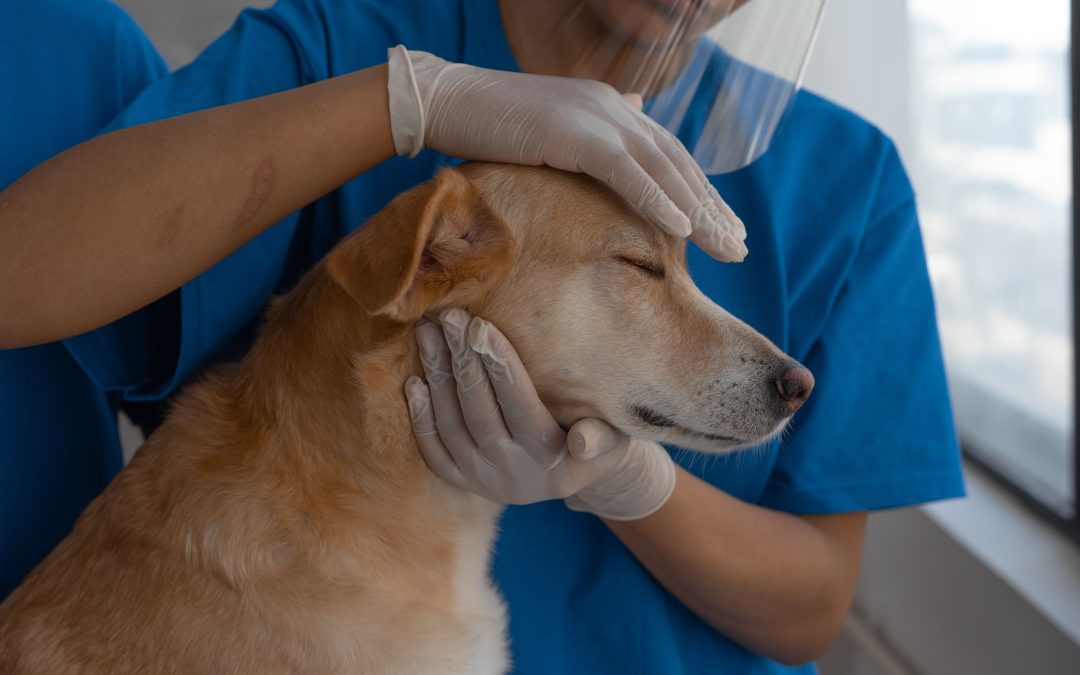
Animal chiropractic care is a manual therapy that focuses on the health of the neuro-musculoskeletal system. Certified practitioners identify areas of restricted joint movement, particularly along the spine, pelvis, and limbs. They apply a quick, low-force manual adjustment to specific joints to restore proper motion. This movement reduces tension on nearby nerves and surrounding muscle groups.
The adjustment process targets specific locations called subluxations, where joint mobility has become impaired. These restrictions alter the biomechanical feedback sent to the animal’s central nervous system. A precise, controlled tap helps realign the joint surfaces to eliminate abnormal structural strain. This reset allows the surrounding deep muscles to relax, which improves localized blood circulation.
Animals typically accept these hands-on sessions very well because the adjustments use minimal force. Many pets visibly relax during the process as chronic tension leaves their bodies. This manual support works alongside traditional veterinary care to create a balanced health routine. Keeping the skeleton properly aligned prevents compensatory movements that strain other healthy limbs.
Why Is Maintaining Joint Mobility Vital for Older Pets?
Aging pets experience natural wear and tear on their joints, which can lead to stiffness and reduced activity. When a joint loses its normal range of motion, the surrounding cartilage breaks down much faster. This degradation creates a cycle of discomfort, leading to muscle loss and decreased stamina. Manual adjustments help keep these joints moving freely to slow down the effects of aging.
Older animals frequently develop compensatory gaits to protect painful or stiff areas of their bodies. A dog with hip stiffness will shift its weight forward, placing extra strain on its front shoulders and neck. This imbalance creates secondary soreness and structural stress in previously healthy muscle groups. Routine alignment checks distribute the physical workload evenly across the entire skeletal framework.
Keeping senior pets active keeps their minds sharp and their cardiovascular systems strong. When an older dog can walk without stiffness, its overall quality of life improves. Manual therapy offers a drug-free way to maintain this vital physical independence. Helping your aging companion navigate the home comfortably preserves their joyful spirit during their golden years.
What Common Signs Suggest Your Pet Needs an Alignment?
Pets communicate structural discomfort through clear changes in their physical habits and body language. A normally playful dog might suddenly avoid the stairs or refuse to jump into the car. Cats might stop grooming hard-to-reach spots or begin resting on lower surfaces instead of high perches. Recognizing these early signs allows you to address joint restrictions before they limit daily movement.
- Changes in Posture: An arched back, a tucked tail, or a tilted head often indicates a pet is trying to ease spinal pressure.
- Altered Movement: Shuffling the paws, dragging the toes, or skipping with a hind leg suggests joint restrictions are affecting the stride.
- Behavioral Shifts: Sensitivity when touched along the back, sudden irritability, or reluctance to wear a harness can point to localized discomfort.
Paying close attention to these small indicators protects your pet from long-term structural strain. A dog that suddenly sits with its legs splayed out to one side may be protecting a restricted pelvis. Catching these mechanical changes early keeps them from causing permanent changes in walking form. Gentle adjustments resolve these alignment issues to help your companion move with ease again.
How Long Can Spinal Misalignment Affect an Animal’s Nervous System?
Spinal misalignments can disrupt an animal’s nervous system for months or years if left uncorrected. Restricted vertebrae exert continuous mechanical pressure on spinal nerves, altering the signals traveling to the rest of the body. This persistent irritation can weaken muscle reflexes and diminish the animal’s spatial awareness. Over time, the body accepts these poor movement patterns as the new normal, which accelerates joint wear.
The nervous system acts as the main communication highway for every physical action your pet takes. Chronic pressure on these pathways can lead to digestive issues, altered skin sensitivity, or muscle wasting. The body tries to protect the restricted area by tightening the surrounding muscles, creating a stiff, guarded posture. This continuous muscle tension drains the pet’s daily energy levels and limits their stamina.
Periodic manual assessments ensure these hidden nerve blocks are found and resolved quickly. Restoring correct spinal motion allows the nervous system to communicate without interruption. This systemic reset helps the body maintain its natural balance and coordinate movements accurately. Keeping these pathways clear helps your companion stay resilient against daily physical stressors.
What Are the Main Types of Complementary Pet Therapies?
Complementary pet therapies use non-invasive methods to support structural healing and improve physical function. These alternative options work side-by-side with traditional veterinary treatments to address the whole animal. Understanding how these different methods function helps you select the right care combination for your companion.
Chiropractic Adjustments
Chiropractic adjustments focus explicitly on the alignment of the spine, pelvis, and extremity joints. Practitioners use precise, low-force manual thrusts to restore normal motion to restricted skeletal areas. This direct care helps reduce nerve pressure and balances the biomechanical workload across the frame. It serves as the foundation for structural alignment and nervous system health.
Laser Therapy
Laser therapy uses specific wavelengths of light to stimulate cellular healing and reduce localized tissue swelling. The non-invasive light penetrates deep into muscles and joints to accelerate the natural repair process. This tool works exceptionally well for soothing acute muscle strains and calming inflamed joint areas. It provides a comfortable option that helps prepare tight muscles for manual adjustments.
Hydrotherapy
Hydrotherapy utilizes the natural buoyancy and resistance of water to help pets build muscle strength safely. Exercising on an underwater treadmill reduces the weight placed on sore joints while encouraging a full range of motion. This controlled environment allows recovering or senior animals to rebuild muscle without joint impact. It complements spinal alignment by strengthening the core muscles that support the skeleton
Why Are Medications Alone Not Enough for Structural Issues?
Pain medications and anti-inflammatory drugs work well for masking discomfort, but they do not fix structural misalignments. A pill cannot physically realign a restricted joint or restore a natural range of motion to a stiff vertebra. Relying solely on pharmaceuticals allows the underlying mechanical issue to persist, which can lead to further joint wear. Addressing the root structural cause prevents the problem from worsening over time.
Long-term use of certain medications can also place extra strain on an animal’s internal organs, like the liver and kidneys. Many pet parents seek non-chemical alternatives to manage joint stiffness without these unwanted systemic side effects. Manual therapy offers a clean, drug-free approach that targets the physical source of the movement restriction. This direct care reduces the need for continuous chemical management for everyday mobility.
Medications can also give an animal a false sense of security, leading them to overexert their bodies. When a pet cannot feel its structural limits, it may perform movements that worsen a joint injury. Manual therapy physically restores correct alignment so the body moves within its natural, healthy boundaries. Combining structural adjustments with standard veterinary care gives your pet a safer path to long-term comfort.
How Does Poor Biomechanics Program a Pet for Injury?
Poor skeletal biomechanics alter how forces travel through an animal’s body during everyday activities. When a primary joint loses its normal mobility, neighboring joints must absorb the extra physical impact. This uneven weight distribution places abnormal stress on soft tissues, tendons, and ligaments. Over time, this extra strain makes the pet highly vulnerable to sudden muscle tears or joint injuries.
An unbalanced frame also reduces an animal’s natural coordination and agility during quick movements. A dog with a misaligned pelvis may struggle to turn sharply or clear obstacles safely during a game of fetch. This awkward movement style increases the risk of slipping, tripping, or landing awkwardly. Maintaining correct structural alignment keeps the body perfectly balanced and ready to handle sudden physical shifts.
Restoring natural biomechanics also helps protect the health of the soft tissues surrounding the skeleton. Muscles no longer have to work overtime to stabilize an unaligned, unbalanced frame. This reduction in continuous strain keeps muscle fibers flexible, strong, and less prone to painful cramping. Keeping the structural foundation aligned allows your pet to move efficiently and enjoy daily exercise safely.
Frequently Asked Questions
Can Chiropractic Care Help a Dog Recovering from a Knee Injury?
Yes, manual adjustments can assist a dog recovering from a knee injury by addressing the compensatory strains placed on the rest of the body. When a pet limps, it places extra weight on its opposite limbs and twists its spine out of alignment. Realigning the pelvis and back reduces this secondary stress and supports a more balanced recovery process.
How Many Sessions Does a Pet Typically Need to See Improvement?
The number of sessions depends entirely on the pet’s age, physical condition, and how long the mobility issue has been present. Some animals show noticeable improvement in flexibility and energy after just one or two adjustments. Chronic or long-standing structural issues may require a steady plan over several weeks to stabilize the joints.
Is Animal Chiropractic Care Safe for Small Dog Breeds and Cats?
Yes, this care is highly safe for small dog breeds and cats when performed by a trained, certified professional. Adjustments are tailored specifically to the size and bone structure of the individual animal, using very light manual pressure. The practitioner uses gentle techniques that respect the delicate framework of smaller pets.
What Should I Expect During My Pet’s First Chiropractic Appointment?
During the first visit, the practitioner will review your pet’s health history and observe how they walk and stand. They will gently palpate your pet’s spine and limbs to locate areas of restricted movement or muscle tension. If they find joint restrictions, they will perform gentle manual adjustments to help restore correct skeletal alignment.
Schedule a Mobility Consultation Today
Restoring your pet’s natural mobility requires a dedicated, non-invasive approach to skeletal health. The professional team at Southern Touch Healthcare specializes in providing gentle animal chiropractic services that target the root cause of joint stiffness. Our tailored adjustments help clear nerve interference and rebalance the spine to keep your companion moving freely. Contact us today!