Modern life feels like a constant race. Your phone buzzes with notifications while your neck stiffens from hours at a desk. This physical tension often mirrors your mental state. Most people reach for a pill or another cup of coffee to cope. There is a better way to reset your system.
The Physical Weight of Mental Stress
Stress does not just stay in your head. It settles into your muscle fibers and connective tissues. Your body reacts to pressure by tightening the fascia. This thin layer of tissue wraps around every muscle in your body. When you feel overwhelmed, this fascia becomes restricted and tough.
Tight fascia limits blood flow and traps metabolic waste. You might feel this as a dull ache in your shoulders or a sharp pull in your lower back. Traditional stretching sometimes fails to reach these deep layers. You need a method that pulls the tension out rather than pushing it further in.
How Suction Creates Internal Space
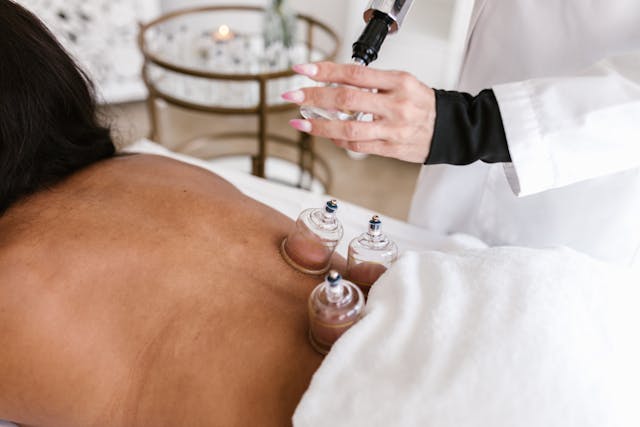
Cupping therapy works differently than a standard massage. A massage therapist applies downward pressure to move muscle tissue. Cupping uses negative pressure to lift the skin and fascia away from the muscle. This vacuum effect creates immediate space within the body.
The suction draws fresh, oxygenated blood into stagnant areas. This process flushes out toxins that accumulate during periods of high cortisol. You can actually see the results through the circular marks left on the skin. These marks represent the release of old, cellular waste. Improved circulation allows your muscles to finally soften and relax.
Rebalancing the Autonomic Nervous System
Your nervous system has two main modes. The sympathetic mode handles “fight or flight” responses. The parasympathetic mode governs “rest and digest” functions. Chronic stress keeps you stuck in the sympathetic state. This leads to burnout and poor sleep quality.
The gentle pull of the cups sends a signal to your brain. It tells your heart rate to slow down. It encourages your breathing to become rhythmic and deep. This shift helps your body recover from the constant demands of a busy schedule. Many patients report a profound sense of calm that lasts for days after a single session.
Beyond the Cups: Integrated Tissue Health
Cupping provides a great foundation for healing. It works best when combined with other soft tissue techniques. Myofascial release therapy targets specific trigger points that the cups might miss. A skilled practitioner uses their hands to find these knots and smooth them out.
Sometimes, inflammation persists even after the tissue loosens. This is where low-level laser light therapy comes into play. The laser uses specific wavelengths of light to stimulate cellular repair. It reduces swelling without generating any heat or discomfort. Using these tools together ensures that your recovery is thorough and long-lasting.
Restoring Range of Motion
Tight muscles act like a cage for your skeleton. They pull your joints out of alignment and restrict how you move. You might find it difficult to turn your head while driving or reach for a high shelf. Cupping breaks the cycle of stiffness by hydrating the tissues.
As the suction pulls fluid into the fascia, the tissue becomes more pliable. This flexibility allows for better movement during your daily activities. Athletes often use this method to stay limber before a big game. Regular office workers find it helps them maintain better posture throughout the workweek.
Precision Care for Long-Term Results
Every person carries stress in a unique way. Some feel it in their jaw, while others feel it in their hips. A personalized approach identifies these specific patterns. Diagnostic screenings help determine where the most significant blockages occur.
Manual therapy often follows a cupping session to maximize the benefits. This might involve stretching or specific joint mobilizations. These steps ensure that the newfound space in your body translates into functional strength. You leave the office feeling lighter and more balanced.